
The early 2000s remain a reference point for bold celebrity dressing, and 2001 stands out as a year when pop icons turned clothes into cultural moments. What we now call the Y2K aesthetic began to crystallize then: cropped tops, low-rise jeans, velour tracksuits, and the now-ubiquitous baker boy hats surfaced everywhere from awards stages to morning shows. The Y2K label describes an early-2000s style defined by a mix of glamour, casual loungewear, and playful accessories that blurred lines between stagewear and street fashion.
That season’s fashion headlines were driven by a tight circle of chart-topping names. Jennifer Lopez arrived with a No. 1 album, while Britney Spears released her third studio record, both reinforcing how music and image fed each other. Acts like Destiny’s Child (including Beyoncé, Kelly Rowland, and Michelle Williams) and stars such as Alicia Keys and the still-newsworthy Spice Girls kept looks in the spotlight. These performers translated trends into must-have pieces, helping transform fleeting fads into enduring motifs that fashion editors would later dub Y2K fashion.
Standout red-carpet and stage moments
Denim duos and coordinated group styling
Certain images from 2001 have become shorthand for the era: a matched denim pair arriving together at an awards show, or a trio performing in perfectly synchronized outfits. When Britney Spears and Justin Timberlake hit the American Music Awards in coordinated denim—his classic Canadian tuxedo and her patchwork Levi’s maxi dress—the look instantly lodged in pop-culture memory and later became a favorite costume choice. Meanwhile, girl groups like Destiny’s Child often performed in matching sets, turning uniformity into a visual brand that reinforced group identity as much as their music.
Performance spectacle and provocative staging
Stage outfits in 2001 were designed to be talked about. A notable example was the collaborative rendition of “Lady Marmalade” at the MTV Movie Awards performed by Pink, Lil’ Kim, Mya, and Christina Aguilera, where lingerie-inspired costumes, corsets, and rhinestone embellishments created a burlesque moment still cited for its daring aesthetic. On another high-profile stage, Britney Spears performed at the VMAs with an albino python as a prop—an image that fused choreography, styling, and spectacle into a single unforgettable statement that fans continue to reference.
Signature accessories and everyday staples
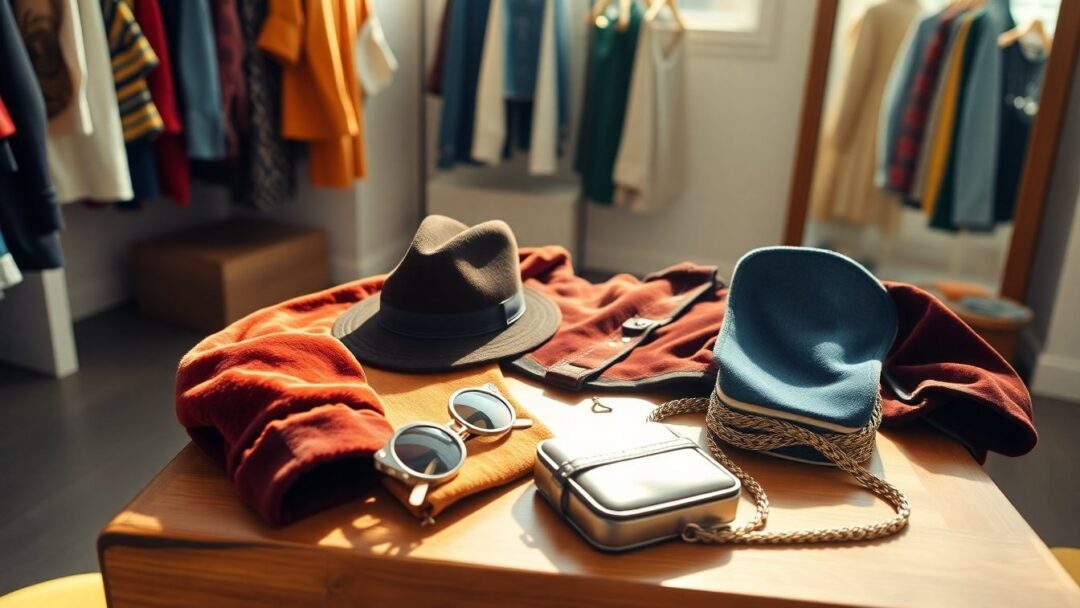
Certain items moved from niche to mainstream because celebrities loved them. Juicy Couture velour tracksuits became a loungewear uniform—famously worn in baby-pink by stars like Jennifer Lopez and later adopted by reality personalities. At the same time, headwear such as the baker boy hat was elevated by pop stars like Christina Aguilera, who paired a denim version with patchwork jeans at major award shows. These accessories functioned as both trend markers and personal signatures, making them easy to copy and remix.
Other details carried weight: matching crucifix necklaces and coordinated black ensembles helped cement couples like Victoria and David Beckham as an “it” pair, while Alicia Keys leaned into trend layering—low-rise flared jeans, a chunky hoop belt, and a brown fedora—at industry ceremonies. Military-inspired camo, fringe-adorned stage outfits, and animal prints were part of the same visual vocabulary, giving fans a wide array of items to emulate.
The Y2K legacy and why it keeps coming back
Why the looks resonate today
The current resurgence—visible on runways, in streetwear exchanges, and on magazine covers in 2026—is not simply nostalgia but a reinterpretation of early 2000s trends for a new audience. Young designers and influencers lift elements like micro shorts, low-rise jeans, and fringe and recombine them with contemporary tailoring and sustainable fabrics. The cyclical nature of fashion means memorable silhouettes and accessories return with fresh contexts; the items once iconic onstage have migrated into everyday wardrobes as wearable references to a moment when celebrity style shaped mainstream taste.
Ultimately, the images from 2001 persist because they captured more than clothing—they captured attitude. From coordinated denim duos to bold stage props, those choices helped define the Y2K aesthetic as an approachable form of glamour that continues to inform how people dress, perform, and present identity in 2026 and beyond.


