
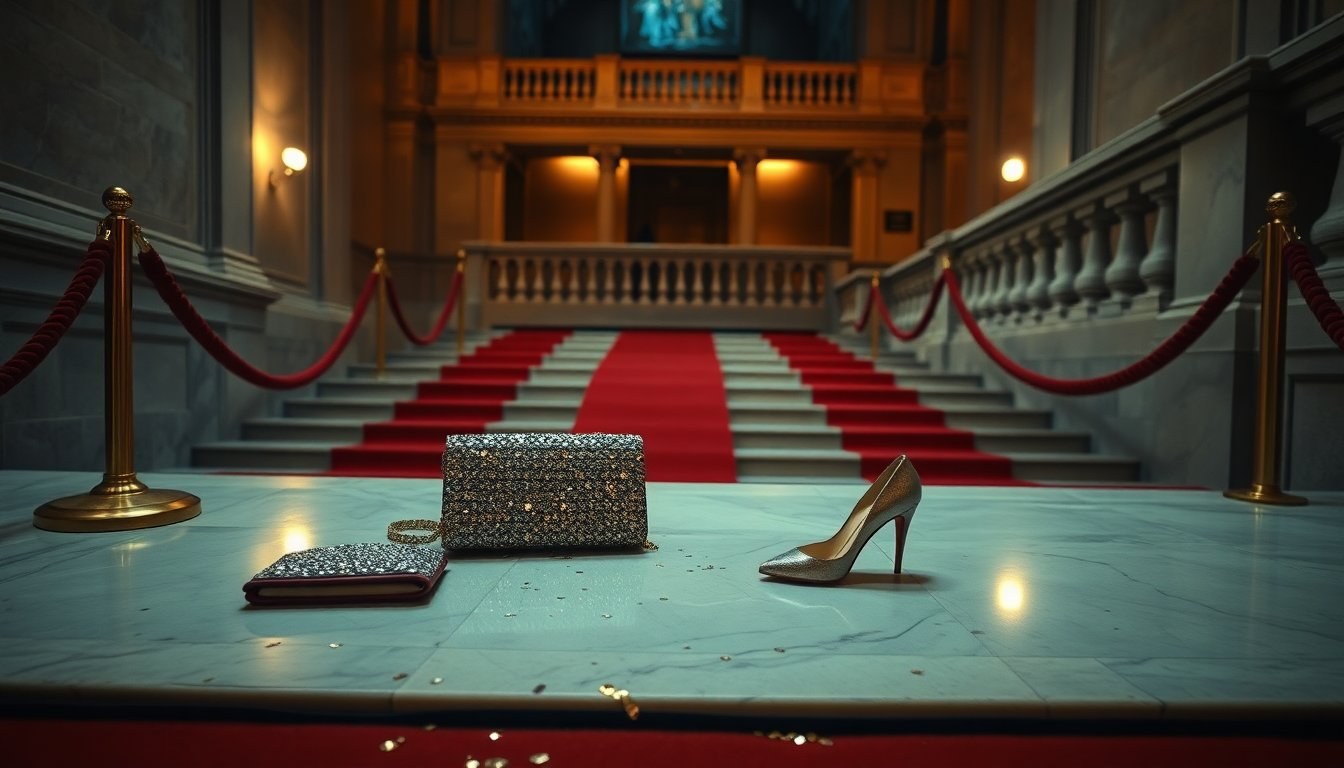
The recent Met Gala stirred more than fashion commentary: it reignited gossip about a long-standing celebrity superstition. According to an insider, Kylie jenner deliberately avoided bringing Timothée Chalamet as her date to the event on May 04, 2026. Instead of walking the red carpet together, Jenner attended the celebration at the Metropolitan Museum of Art while Chalamet spent the evening at Madison Square Garden watching the New York Knicks. The contrasting images — a glamorous staircase and a courtside sports seat — underline how the pair navigated public appearances amid persistent rumors about the Met Gala curse.
What happened at the 2026 Met Gala
On May 04, 2026, Jenner arrived in a striking Schiaparelli gown featuring pearls and an embellished train, commanding attention on the carpet. Meanwhile, Chalamet was photographed courtside during Game 1 of the Eastern Conference semifinal between the Knicks and the 76ers, a setting that reflects his long-standing affinity for the team. A source told Page Six that the choice was intentional: the couple reportedly did not want to risk the internet’s superstition about the Met Gala curse affecting their relationship. The contrast between couture debut and sporting event amplified the narrative that celebrity choices are sometimes guided by caution as much as by style.
The idea behind the Met Gala ‘curse’
The phrase “Met Gala curse” refers to an online theory that couples who make joint red carpet appearances at the annual gala later break up. As an internet-born superstition, the concept blends coincidence and headline-friendly timelines to create a memorable narrative. Some celebrities and their teams appear to treat the idea seriously enough to plan appearances separately. Sources suggest that Jenner’s skepticism about the superstition grew after attending the gala with ex Travis Scott in 2018 and 2019, a period that preceded a public split and subsequent on-again, off-again dynamic. That history, plus high-profile examples of couples splitting after Met Gala appearances, has kept the idea alive in entertainment circles.
Notable couples often cited
Several relationships are frequently mentioned as supporting evidence for the Met Gala curse. For instance, Kim Kardashian and Pete Davidson attended the gala together in 2026 and announced their split roughly three months later. Katie Holmes and Jamie Foxx became more public at the 2019 Met Gala, and their relationship was reported to have ended soon after that season’s festivities. Amanda Seyfried and Justin Long made a single shared Met Gala appearance in 2015 and reportedly parted ways within months. Perhaps the most-discussed case is Miley Cyrus and Liam Hemsworth, who appeared at the 2019 gala only once during their long relationship and separated that same summer. These timelines are often presented as patterns, though causation remains unproven.
Why couples may opt out
Beyond superstition, there are practical reasons celebrities might avoid attending together: privacy concerns, strategic career planning, or simply differing interests. But sources claim that for some, superstition plays a tangible role in decision-making. In Jenner’s case the source emphasized that she felt particularly wary after her Met experiences with Travis Scott in 2018 and 2019 and was not willing to risk a repeat. For Chalamet, choosing a courtside seat over a red carpet appearance may have been both a comfort move — aligning with his public image as a devoted Knicks fan — and a deliberate way to sidestep tabloid narratives about the Met Gala curse.
Timing, coincidence and public perception
It’s important to separate correlation from causation: high-profile relationships are under constant scrutiny, which makes any post-event breakup more noticeable. The Met Gala is such a high-visibility moment that any subsequent relationship shift feels amplified. Whether couples are genuinely influenced by an online superstition or simply responding to media pressure, the result is the same: staggered appearances and extra caution around joint public events. For fans and commentators, the pattern remains a captivating story thread in celebrity culture, even as skeptics point to coincidence and normal relationship dynamics.
Looking ahead
As long as the Met Gala remains a pinnacle of celebrity culture, the idea of a curse will likely persist in gossip cycles. Jenner and Chalamet’s choices around the 2026 event underscore how stars manage optics and rumors, whether through superstition or strategy. At the same time, documented timelines of past couples provide material for ongoing debate about whether the Met Gala is merely a fashionable milestone or an unlikely relationship omen. Whatever the explanation, the conversation around joint appearances and their aftermaths shows how a single red carpet night can shape headlines for months to come.


