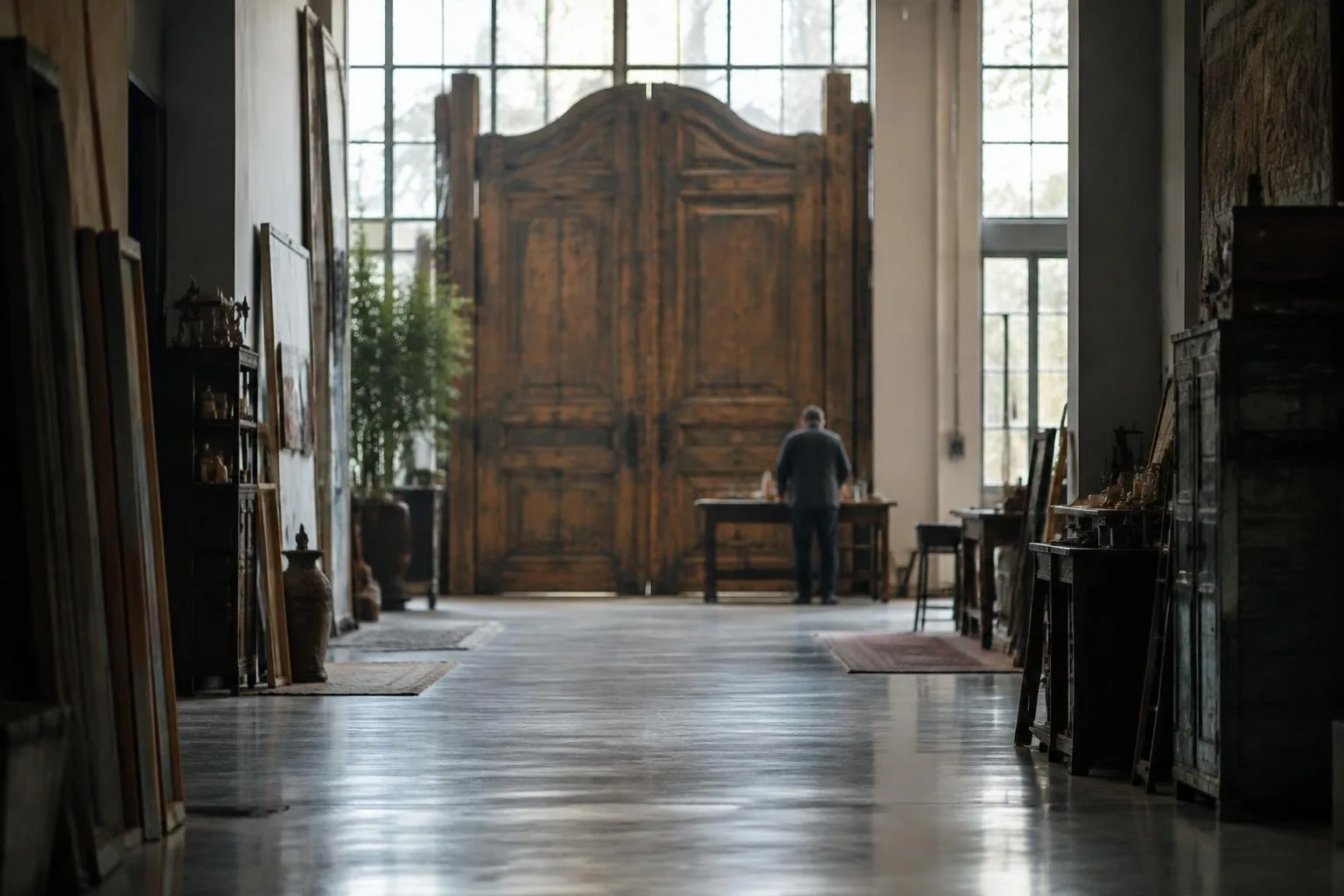
When Joel Paxton posted a short video of a pair of ornate wooden gates that he had just acquired, the reaction was immediate and largely negative. Viewers labeled the piece “ugly” and “unwanted,” flooding the comment section with criticism. The clip, however, amassed close to one million views on social platforms, drawing the attention of an unlikely audience: a set designer for the upcoming Harry Potter TV series on HBO Max.
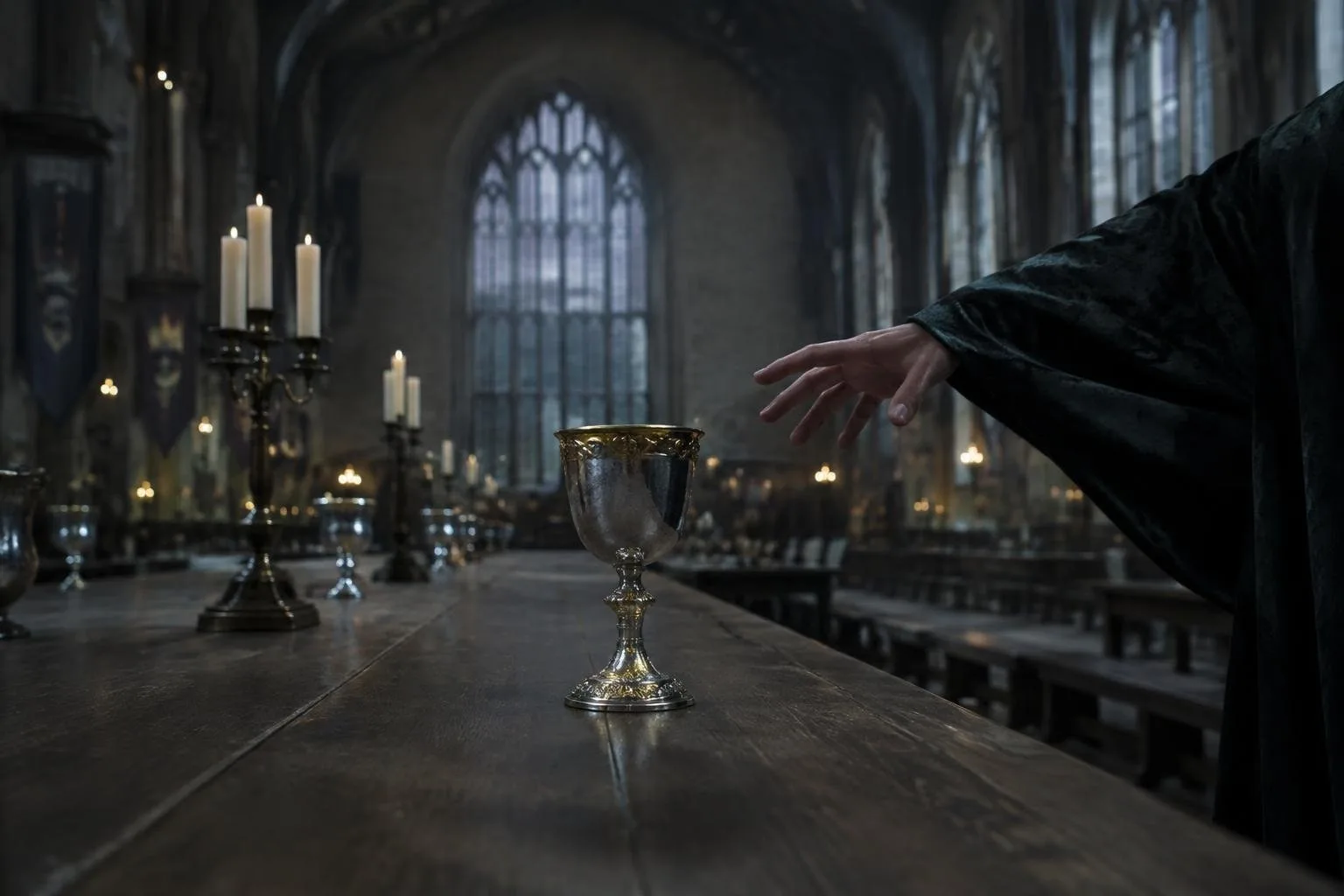
Within days, the designer reached out, explaining that the gates matched a specific location needed for a scene set in the wizarding world. Paxton drove the heavy timber to London, delivered it to the studio, and was granted a tightly controlled tour of the working set. While the production limits prevent spoilers, the dealer was allowed to glimpse costume workshops, prop workshops, and the atmosphere that surrounds the recreation of Hogwarts. This encounter turned a piece of unwanted decor into a coveted prop, underscoring how viral exposure can bridge the gap between a regional antiques business and a global entertainment franchise.
Boost for Rustique Living and the power of niche antiques
Founded during the Covid-19 lockdown while Paxton was studying business at Keele University, Rustique Living began as a modest operation in his parents’ front room in Sandon, Staffordshire. The shop now specializes in distinctive, hard-to-find furniture and relics that appeal to collectors seeking something different from mass-produced items. The unexpected order from HBO not only provided a lucrative sale but also drove a wave of foot traffic. Customers began mentioning the “Harry Potter gate” in conversations, prompting the dealer to showcase other pieces that could suit film and television productions.
Since that initial collaboration, the shop has supplied props to several other programmes, including a recent reality-competition series and a historical drama. Paxton reports that inquiries from production companies arrive almost weekly, indicating that the industry is actively scouting for authentic, character-rich objects. The viral gate video, initially a source of embarrassment, now functions as a marketing asset that highlights Rustique Living’s ability to deliver genuinely unique items to high-profile clients.
HBO’s expanded vision for the wizarding world
The new Harry Potter TV series has promised a more faithful adaptation of J.K. Rowling’s books than the original film franchise could provide. Early trailers reveal that the show will explore characters and storylines previously relegated to the margins. Actors have been cast for roles such as Charlie Weasley, Dean Thomas, Colin Creevey, and even the spectral Professor Binns, signaling that the series intends to flesh out the broader community of witches and wizards.
Fans long advocated for deeper treatment of these secondary figures, noting that the movies often reduced them to cameo appearances. The television format, with its longer episode count, allows for dedicated arcs that explore Charlie’s work with dragons, Dean’s struggle as a Muggle-born during the rise of Voldemort, and Colin’s unwavering devotion to Harry. Additionally, the inclusion of iconic “non-human” entities like Peeves and Professor Binns demonstrates HBO’s commitment to recreating the full texture of the books, rather than merely rehashing the most famous scenes.
By integrating these characters, the series not only satisfies long-standing fan desires but also creates new merchandising and set-design opportunities. Items such as the antique gates that Paxton supplied illustrate how tangible, period-appropriate objects can enhance authenticity, while the renewed focus on lesser-known characters opens doors for more nuanced storytelling and broader commercial partnerships.
Overall, the convergence of a viral social-media moment, a small UK antiques dealer, and a high-budget television adaptation illustrates how modern media ecosystems can transform criticism into collaboration. The antique gates that once drew “yuck” comments now sit in a wizarding set, reminding creators that every piece of history has the potential to become part of a new myth.