
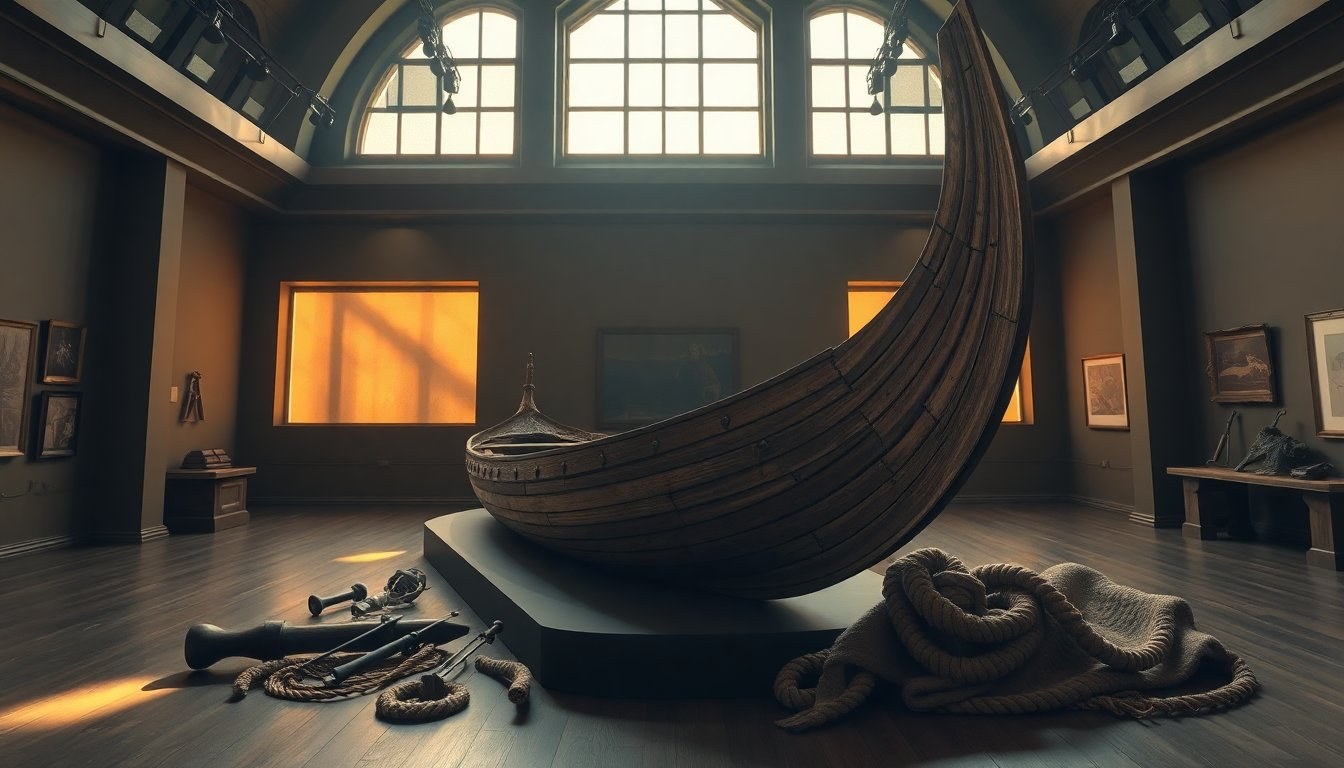
The Norwegian monarchy staged a vivid cultural moment when Crown Prince Haakon and his son, Prince Sverre Magnus, climbed aboard a reconstructed Viking vessel in Nordfjordeid. Dressed in clothing inspired by the 9th century, they spent the day on the Myklebust, meeting the craftsmen who rebuilt the ship and touring the Sagastad cultural center where the vessel is normally displayed. The outing emphasized Norway’s maritime heritage even as the royal household grapples with several intense and highly publicized challenges.
That ceremonial visit was striking not only for its imagery but for its timing: the public-facing tradition of honoring history momentarily contrasted with a series of controversies that have kept the family in the headlines. Among those issues are the criminal case involving Marius Borg, scrutiny of Crown Princess Mette-Marit related to past associations, and debate surrounding Princess Ingrid Alexandra studying overseas. The juxtaposition highlights how symbolic acts of continuity can collide with questions about accountability and public trust.
The Myklebust ceremony and its historical roots
The vessel at the center of the event is the Myklebust, a reconstructed Viking longship estimated at roughly 25 meters in length and described as one of the largest found in northern Europe. Archaeological remains that made the reconstruction possible were discovered in 1874 by Anders Lorange; the find was notable because the ship had been burned, making it a rare cremation grave in Scandinavian burial practice. Evidence recovered from the site—bones, weapons, and grave goods—has led researchers to associate the tomb with a prominent chieftain, possibly King Audbjørn Frøbjørnsson of Frida, who is believed to have died in battle in 870. These facts underpin the vessel’s cultural weight and why the reconstruction attracted royal attention.
Reconstruction work and living heritage
The craftsmen who reconstructed the Myklebust explained the painstaking work that went into returning the remains to a seaworthy form, and the royals took time to observe that process up close. The ship’s design—featuring a dragon-headed prow, both sail and oar propulsion, and a shallow draft—echoes seafaring practices from roughly 700–1000 AD and illustrates why such vessels were vital for exploration, commerce, and coastal navigation. For the royal household, participating in that narrative is a visible expression of continuity: a reminder that the monarchy often acts as a custodian of national heritage.
Controversies that shadow official duties
While the Myklebust outing supplied a symbolic respite, several matters of a more fraught nature continue to test the royal family’s standing. The most prominent of these is the legal case involving Marius Borg, the eldest son of Crown Princess Mette-Marit, which has drawn intense media attention and widespread public scrutiny. Simultaneously, renewed examination of the Crown Princess’s past associations—most notably ties connected to Jeffrey Epstein—has prompted questions about transparency and accountability. These developments, combined with ongoing debate over the cost and implications of Princess Ingrid Alexandra completing part of her education abroad, have created a complex backdrop for routine royal engagements.
Public reaction and institutional implications
Commentators and citizens alike have weighed in on how these controversies should affect the monarchy’s role and duties. Some observers stress that royal ceremonial duties, like attending cultural heritage events, help stabilize public sentiment and preserve traditions; others argue that unresolved legal and reputational issues can erode confidence in the institution. The contrast between the evocative imagery of a royal on a reconstructed Viking ship and headlines about court proceedings or historical associations underscores the delicate balance the institution must manage between symbolism and accountability.
What the ceremony signaled about resilience
Ultimately, the Myklebust visit by Crown Prince Haakon and Prince Sverre Magnus served as both a cultural statement and a practical reminder: the monarchy continues to perform visible duties even while navigating controversy. The event linked contemporary public life with centuries of maritime tradition, offering a narrative of continuity that royal spokespeople hope will reassure citizens. Yet the surrounding legal and reputational matters remain active and unresolved, meaning that such public displays will likely coexist with scrutiny for the foreseeable future.


