
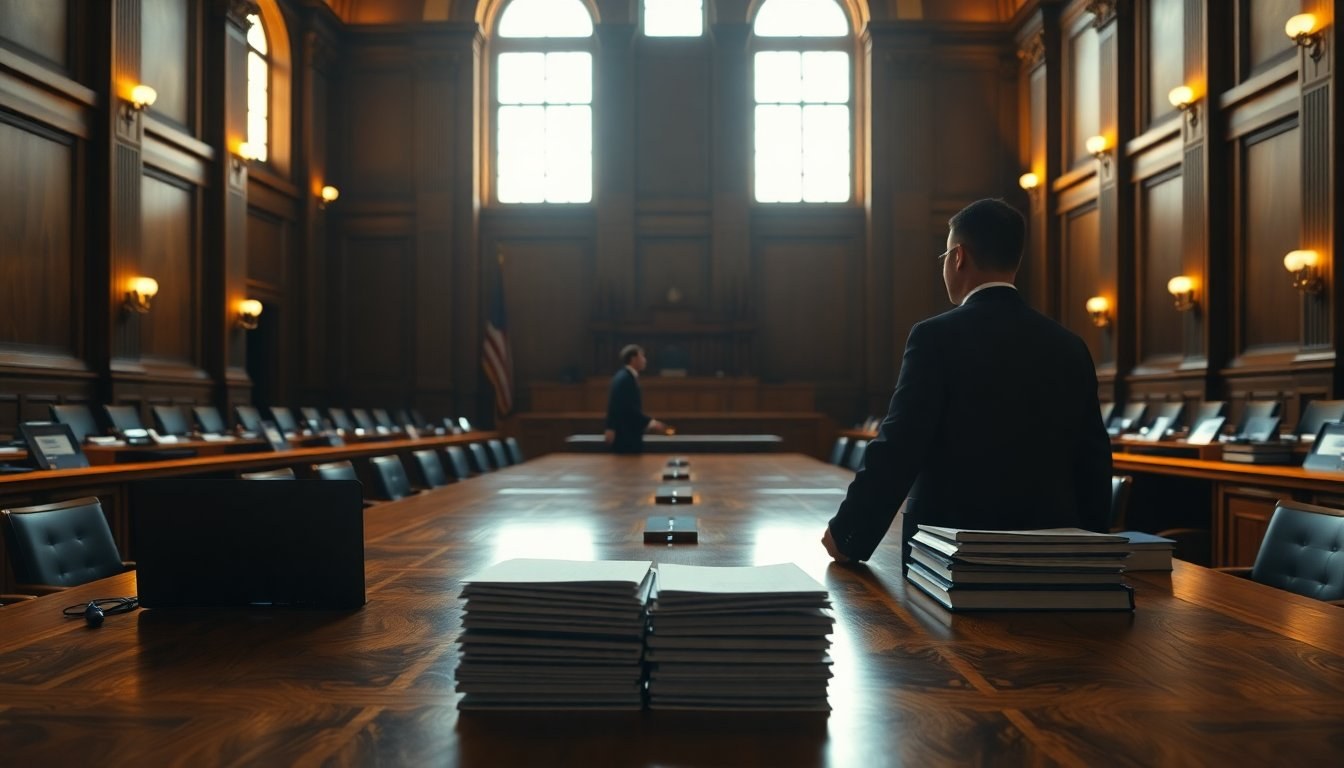
Two of the technology sector’s most visible figures have taken a long-running dispute from social media to a federal courthouse. At issue are allegations that the original charitable mission of OpenAI was sidelined as the organisation evolved into a revenue-generating force; plaintiff Elon Musk says he was misled and deprived of funds he expected to support a non-profit vision. This legal confrontation pits Musk against Sam Altman, fellow founders, and corporate partners including Microsoft, with both sides preparing to present months of documentary and testimonial evidence.
The case arrives at a moment when the broader public is trying to understand what control and accountability look like for powerful machine learning systems. The courtroom will not only hear claims about contracts and board duties, but also grapple with questions about who should direct the development of artificial general intelligence — hereafter described as AGI, an idea of machines that meet or exceed human cognitive abilities. Outcomes could influence corporate structure, funding flows and the competitive landscape among companies racing toward ever more capable AI.
How the dispute began
The origin story traces back to 2015, when OpenAI was launched as a non-profit venture intended to ensure that advances in AGI would benefit everyone. Early collaborators included Elon Musk and Sam Altman, and for a time the partnership presented a united front on safety and public benefit. Over subsequent years, tensions grew as some inside the organisation argued for a different funding model: a partially commercial arm that could attract large-scale investment. Musk pushed for the non-profit pathway to continue, issuing a firm ultimatum in 2017 that he would stop funding unless the organisation committed to its philanthropic status.
Internal notes and messages later surfaced in discovery suggesting there were competing views about how to finance ambitious AI research. Those documents show discussions about creating a for-profit affiliate to raise capital versus keeping OpenAI strictly philanthropic. After Musk’s departure in 2018, the company evolved, and the launch of products such as ChatGPT in 2026 transformed public expectations and commercial potential, accelerating the path that now underlies much of the litigation.
The legal battleground
Procedurally, the case moved through the familiar stages of federal litigation. On 6 June 2026, motions for summary judgment were filed by defendants seeking to avoid a trial. Summary judgment is a legal disposition that resolves claims without a jury when facts are undisputed. Judge Yvonne Gonzalez Rogers reviewed the record and, on 15 January 2026, largely denied those motions, concluding that key factual disputes remained — including whether a charitable trust existed, whether fiduciary duties were breached, and whether Musk reasonably relied on representations he received. Microsoft did win limited relief, but some aiding-and-abetting claims survived.
With summary judgment off the table, the case advanced toward a jury trial. The docket shows both sides are preparing to call prominent witnesses, and media attention has been intense. The courtroom is likely to feature testimony from the principal antagonists themselves, as well as leaders and former employees of OpenAI and partners who can speak to the company’s financial and governance choices.
Evidence that shaped pretrial rulings
What persuaded the judge to let the case proceed were contemporaneous records: emails, internal notes and diary-style entries that suggested some founders and executives viewed early commitments differently than Musk understood them. Those materials were central to the finding that reasonable jurors could disagree about intent and betrayal. For example, entries from co-founders and executives discussed capital strategies and the implications of accepting Musk’s conditions, offering the kind of documentary context courts rely on when claims hinge on credibility and motive.
Why the outcome matters
Beyond the interests of the parties, the trial carries weight for the broader technology ecosystem. If Musk prevails, remedies he seeks include billions tied to alleged wrongful gains and structural changes at OpenAI, actions that could ripple through corporate governance norms for AI labs. If Musk loses, the ruling may validate the path OpenAI took toward productisation and deep partnerships with companies like Microsoft. Either way, the controversy spotlights who gets to decide how powerful AI systems are funded, governed and deployed.
What to expect at trial
Expect a blend of intense legal argument and highly publicised testimony: depositions, cross-examinations and narrative contests about what founders promised and what each party intended. Witness lists include executives and researchers who helped shape the company, and counsel will try to translate technical choices into stories a jury can evaluate. The case has already unearthed personal and colourful details, but at its core the jury will be asked to weigh whether legal duties were broken and whether any deception caused concrete harm.
As these two well-known figures square off in court, observers are watching not just for a verdict but for clearer signals about how society will steward advanced AI. The process could reveal the ambitions and limits of private governance over technologies that affect millions — and the decision may set precedents that last long after this particular battle ends.


