
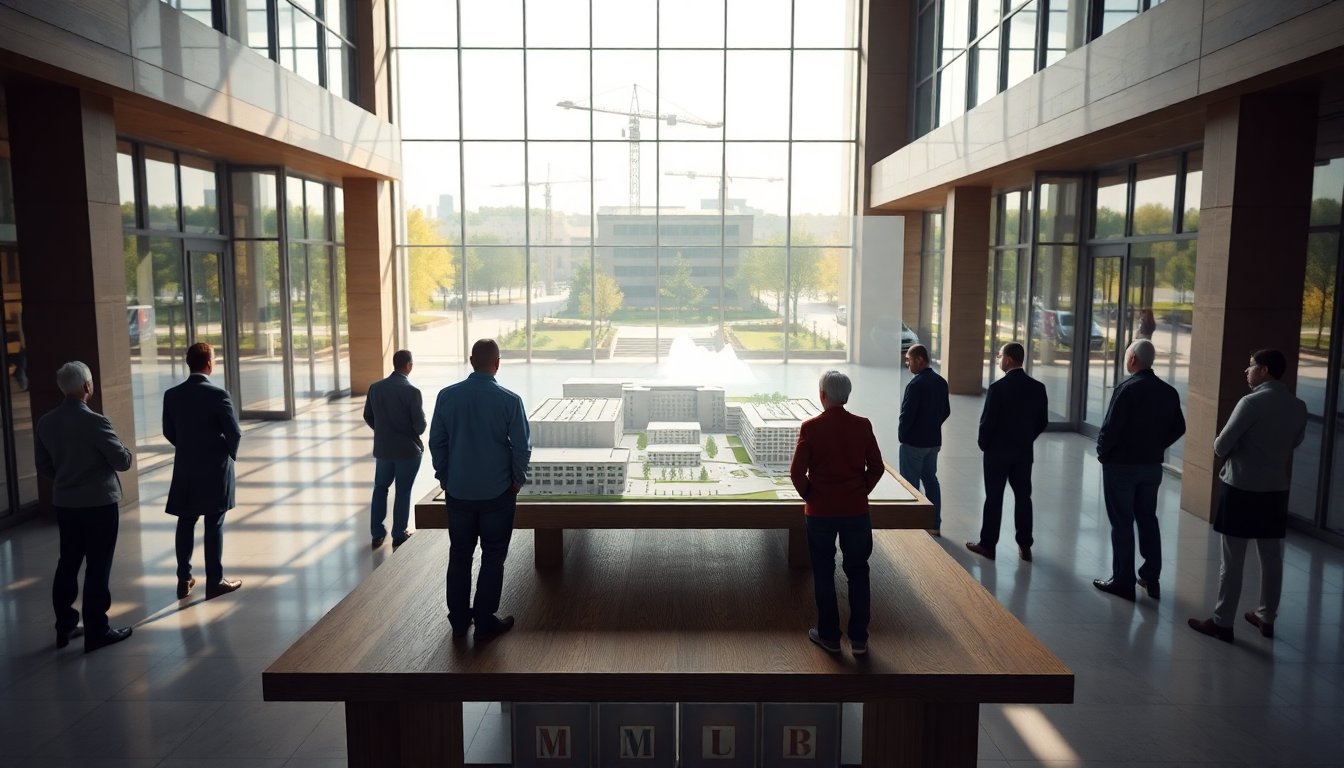
On April 21, 2026, Michael and Susan Dell revealed a major philanthropic commitment: a $750 million gift to the University of Texas at Austin that pushes their lifetime giving to the school past the $1 billion mark. The donation will seed the new UT Dell Campus for Advanced Research and the UT Dell Medical Center, described by the donors and university leaders as an AI-native hospital and research campus designed to marry clinical care with the latest computing tools. The announcement names a bold goal: design a facility where data and computation are core from day one so that treatment decisions can be faster and more precise.
The gift and the campus
The Dells’ contribution is one of the largest single gifts ever to a public university and establishes UT Austin’s first dual-purpose life sciences hub and academic medical center. The planned UT Dell Campus for Advanced Research is intended to unite laboratory science, clinical trials and advanced computing infrastructure — including support for the Texas Advanced Computing Center — in one location. University leaders expect to break ground later this year, with the new medical center scheduled to open in 2030. The campus is being positioned to accelerate discovery while expanding student scholarships, housing and research capacity.
How technology and AI will shape care
Central to the plan is embedding artificial intelligence and large-scale computing into clinical workflows so that diagnostics, treatment planning and research are tightly linked. By designing systems from the outset with integrated patient-centered systems and data pipelines, the project aims to enable earlier detection, more personalized therapies and a continuous feedback loop between clinical outcomes and research. University officials say this approach differs from retrofitting older hospitals with new tech: the goal here is to create an environment where computation and medicine co-evolve.
Research, supercomputing and collaboration
The campus will be anchored by partnerships and computational resources intended to boost translational research. Support for the Texas Advanced Computing Center and investments in high-performance computing are expected to fuel work across genomics, imaging and drug discovery. The university and donors frame this as building a regional hub where biotech startups, clinical researchers and academic programs collaborate seamlessly — a model that leverages Austin’s existing tech ecosystem while expanding the pipeline from laboratory breakthroughs to bedside applications.
Clinical integration and cancer care
A notable element of the design is the planned integration with UT MD Anderson Cancer Center services inside the new medical center, which officials say will reduce the need for lengthy travel to receive specialized oncology care. By embedding multidisciplinary cancer expertise into the UT Dell Medical Center, the program intends to bring clinical trials, advanced therapies and coordinated care closer to Central Texas families. The new facility will complement, not replace, existing local hospitals by focusing on specialty, research-driven services and a coordinated care journey.
Impact on students and the region
Beyond clinical care, the Dells’ investment includes funding for undergraduate scholarships, expanded student housing and programmatic support designed to broaden access and train future clinicians and researchers. University leaders emphasize economic and workforce benefits: the campus is expected to catalyze a life sciences cluster that creates jobs and attracts talent. As part of a broader fundraising vision, the gift also helps UT Austin pursue an ambitious multiyear goal of scaling research and medical capacity to national prominence.
Philanthropic context and legacy
The newest donation builds on decades of giving from the couple. Michael Dell, who began selling computer upgrade kits at 19 and later founded Dell Technologies, and Susan Dell have directed billions toward education, health and child-focused programs. The couple has committed more than $10 billion to philanthropic causes overall and their foundation has provided roughly $2.9 billion through grants and mission investments. Earlier this year they announced a separate, multibillion-dollar program to support children and families, underscoring a long-term focus on opportunity, health and education.


