Apple TV+ entered the science-fiction arena with ambitious projects such as Severance and Silo, establishing a reputation for polished storytelling. Hello Tomorrow! arrived in 2023 as a lesser-known entry, yet it quickly distinguished itself by merging a neon-bright aesthetic with a melancholy examination of personal ambition and societal promises.
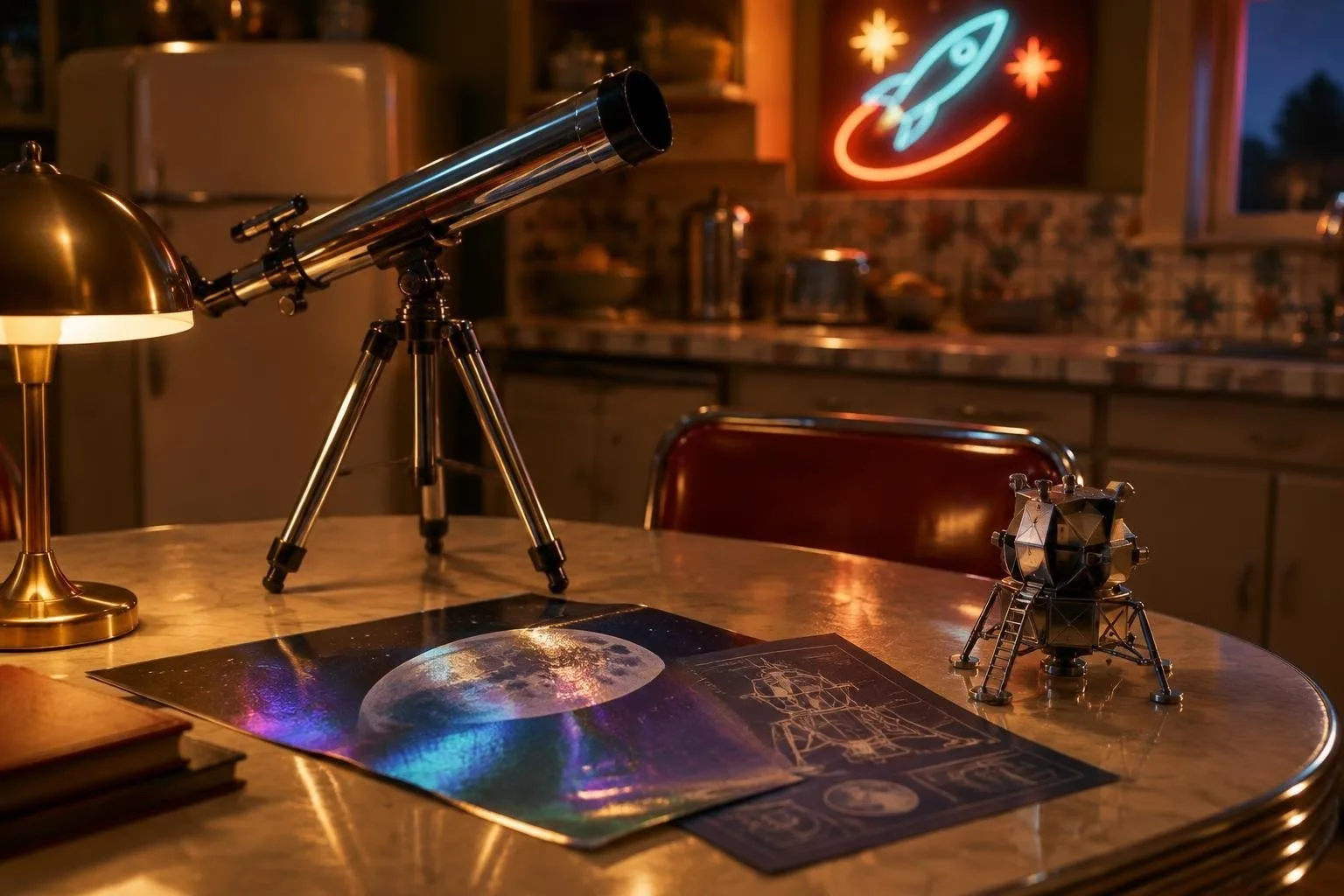
The series follows Jack Billings, a smooth-talking itinerant who sells lunar timeshares across a stylized version of mid-century America. His glossy brochures and holographic renderings promise a fresh start beyond Earth’s gravity, but recurrent delays and vague contracts hint at a far less reliable reality. As the narrative unfolds, viewers are forced to decide whether Jack is a cunning con-artist or a dreamer trapped in a broken system.
Story structure and the father-son dynamic
Jack’s personal journey intertwines with a family thread that grounds the high-concept premise. After an 18-year absence, his teenage son Joey reappears following the accidental death of his mother at the hands of an autonomous delivery drone. Rather than openly acknowledging paternity, Jack hires Joey as an assistant, creating a tense dance of concealed affection and unspoken resentment. This relationship provides a fertile ground for exploring themes of redemption, parental guilt, and the emotional cost of perpetual performance.
The series balances brisk, plot-driven moments with quieter, introspective beats. Episodes shift between the mystery of the moon settlement, marked by postponed launch dates and increasingly skeptical customers, and intimate scenes where Jack glances at a faded family photograph or struggles to keep his charismatic façade intact. This rhythm allows the central mystery to breathe while granting space for character revelations to land with impact.
Retro-future aesthetic as social critique
Visually, Hello Tomorrow! draws heavily from 1950s optimism, reimagining it through a speculative lens that keeps the future just out of reach. Neon-lit diners serve drinks via robotic arms, chrome-finished cars glide silently, and domesticated robot dogs patrol suburban streets. Rather than depicting utopia, these design choices foreground the disconnect between technological promise and everyday hardship. A dismissed factory worker slipping into an automated-bartender bar illustrates how progress can feel alienating when it fails to deliver economic security.
The show uses this retro-future backdrop as a metaphor for the erosion of the classic American Dream. The moon-timeshare mirrors post-war suburban home ownership: both hinge on the belief that hard work guarantees upward mobility. Jack’s relentless push to close sales reflects a capitalist hustle that masks personal emptiness, while recurring dialogue about everyone ending up with a “shit deal” underscores contemporary disillusionment.
Performance, cast, and lasting relevance
Billy Crudup’s portrayal of Jack Billings stands as the series’ most compelling asset. He slides between slick sales patter and fleeting vulnerability, often conveyed through a weary smile or a lingering gaze at an old photograph. Crudup avoids caricature, layering confidence with insecurity and generosity with self-interest, making Jack both frustrating and pitiable. Supporting actor Nicholas Podany delivers a restrained performance as Joey, capturing teenage resentment without melodrama, while the ensemble of fellow sales reps, skeptical customers, and AI service workers adds texture that renders the speculative world believable.
Although the series concluded after a single season, its ambition remains notable in an era where streaming platforms often favor quantity over craft. Hello Tomorrow! demonstrates that meticulous world-building, combined with a character-driven narrative, can produce a sci-fi experience that is both visually arresting and emotionally resonant. For viewers who appreciate a story that scrutinizes the promises of prosperity while delivering a heartfelt family drama, revisiting the series continues to yield new insights.