
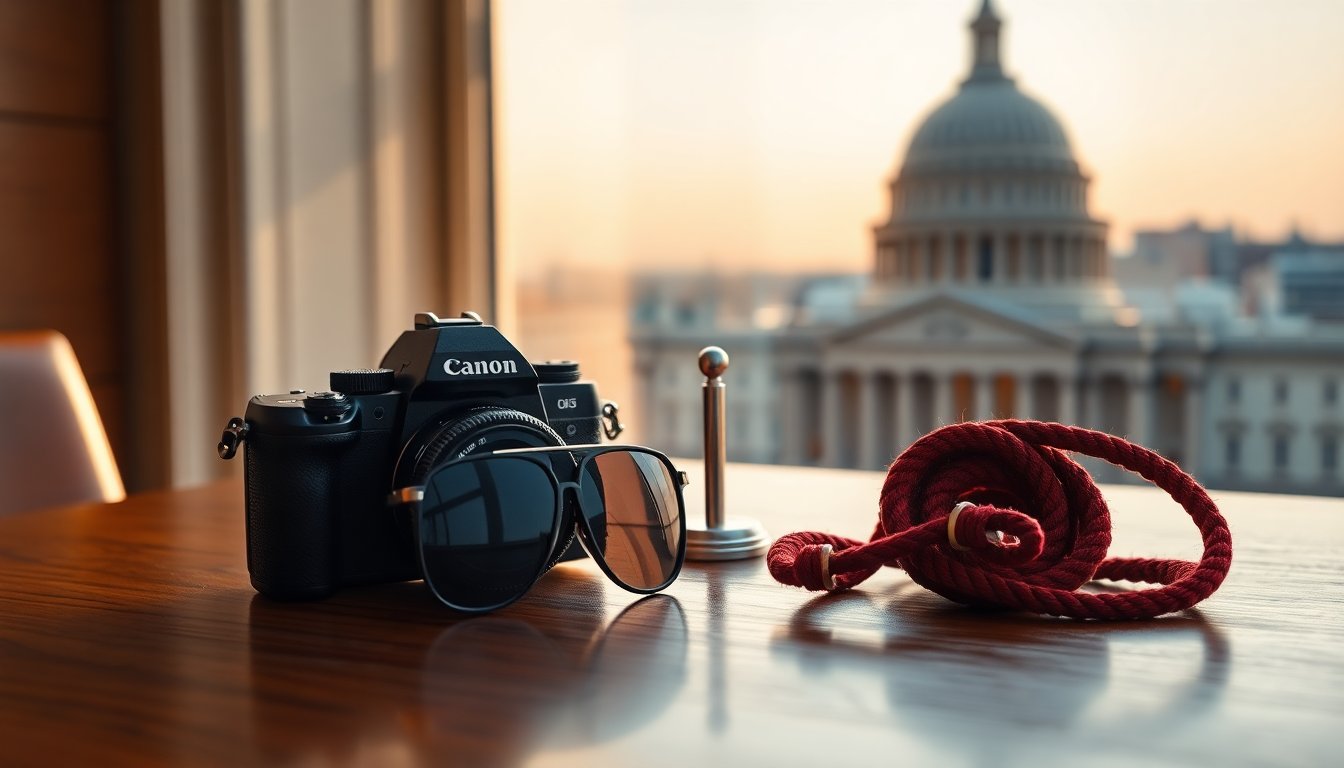
The tabloid brand TMZ has quietly established a presence in the nation’s capital, announcing the launch of a new operation called TMZDC. The outlet shared an upbeat message—”HEY EVERYONE, WE’RE HERE!!! TMZDC Staff Starts Today!!!”—and introduced three producers who will be based on Capitol Hill: Jakson Buhaj, Jacob Wasserman, and Charlie Cotton. This move marks a deliberate push to merge celebrity-style reporting with coverage of elected officials, an approach that reframes how routine political moments might be reported and perceived by a broader, entertainment-focused audience. The idea is less about policy wonkery and more about capturing personalities, optics, and moments that travel quickly on social platforms.
The new bureau follows a string of editorial choices that pushed the outlet closer to political life. Harvey Levin, the founder and executive producer of TMZ, described the pivot as, in his words, partly spontaneous—born from earlier coverage during a prolonged funding lapse at the Department of Homeland Security. During that period, TMZ highlighted a TSA worker’s experience and then asked readers to submit photos of members of Congress using vacation time. That campaign-style reporting—soliciting visuals from the public to document lawmakers’ activities—helped crystalize the outlet’s appetite for political content framed through a pop culture lens. The team has also published memorable offbeat interviews, including an item where Senator Elizabeth Warren joked she was the “fastest senator”—a blend of levity and personality-driven coverage.
How TMZDC plans to operate on Capitol Hill
According to the outlet’s announcement and subsequent interviews, TMZDC will emphasize fast, visual reporting: short videos, candid photos, and direct questions to public officials. Levin has indicated plans to expand beyond a temporary visit, assembling a full-time squad to patrol the corridors of power. The strategy relies on traditional paparazzi instincts—spotting moments others miss—and on mobilizing user submissions to create a running narrative about what lawmakers are doing when cameras aren’t rolling. This is meant to capture public sentiment as much as to break policy stories, reframing political actors as figures in a continuously streaming national reality show rather than as only policy-focused professionals.
Origins and early examples
The concept traces back to the outlet’s previous forays into government-related stories. When parts of the federal workforce went unpaid during a funding gap that began on Feb. 14, TMZ ran human-centered reporting about affected employees and followed up by crowd-sourcing images of lawmakers on recess. That tactic generated headlines and pushed internal conversations inside political circles. TMZ has also posted direct interactions with senators—most recently a short clip of Sen. Ted Cruz declining to pick sides in a high-profile quarrel between President Donald Trump and a religious figure—underscoring how the outlet blends brisk questioning with a pop culture sensibility.
Reaction from Washington
Political staffers and party operations are already adjusting to the presence of a gossip-minded newsroom in town. Sources cited in newsletters and media coverage say Democratic communications teams have discussed building formal lines of contact with TMZ and coordinating responses to its content. One report noted a message circulated via Signal to more than 250 digital staffers, advising that the party’s messaging arm would manage outreach to TMZ and urging individual offices to refrain from direct contact. The aim, according to those briefed, is to align with TMZ’s “unique” methods of sourcing and storytelling without ceding control of narratives.
Why staffers are recalibrating
Part of the recalibration stems from the outlet’s ability to make moments viral and to frame lawmakers as cultural figures as much as policy actors. For campaign teams and party communicators, the priority is to anticipate and shape optics before TMZ-style coverage reaches millions of viewers. That means more proactive media management, off-camera coordination, and sometimes an acceptance that traditional political reporting and entertainment-style coverage operate by different rules—one focuses on policy detail, the other on snapshots that travel quickly on social feeds.
Implications for political coverage and the media ecosystem
The arrival of TMZDC raises several questions about how Americans will receive information about elected officials. Critics worry that a stronger entertainment lens could prioritize sensation over substantive explanation. Supporters argue it democratizes accountability by mobilizing public-sourced evidence and demanding that lawmakers’ personal choices align with public expectations. Levin has been quoted saying the goal is to show “how the public feels about them,” signaling an editorial mission to reflect sentiment as much as to report events. Whether that approach will unearth major scandals or simply add another layer of scrutiny to everyday Capitol life remains to be seen, but the shift is already prompting established outlets and political shops to rethink their strategies.
Ultimately, TMZ‘s expansion into Washington blends the languages of celebrity media and political journalism, challenging both reporters and politicians to navigate a landscape where a single candid photo or brief video can shape national conversation. As TMZDC settles in, offices on the Hill will be watching closely—and perhaps adjusting how they present themselves when the cameras are rolling and when they aren’t.


