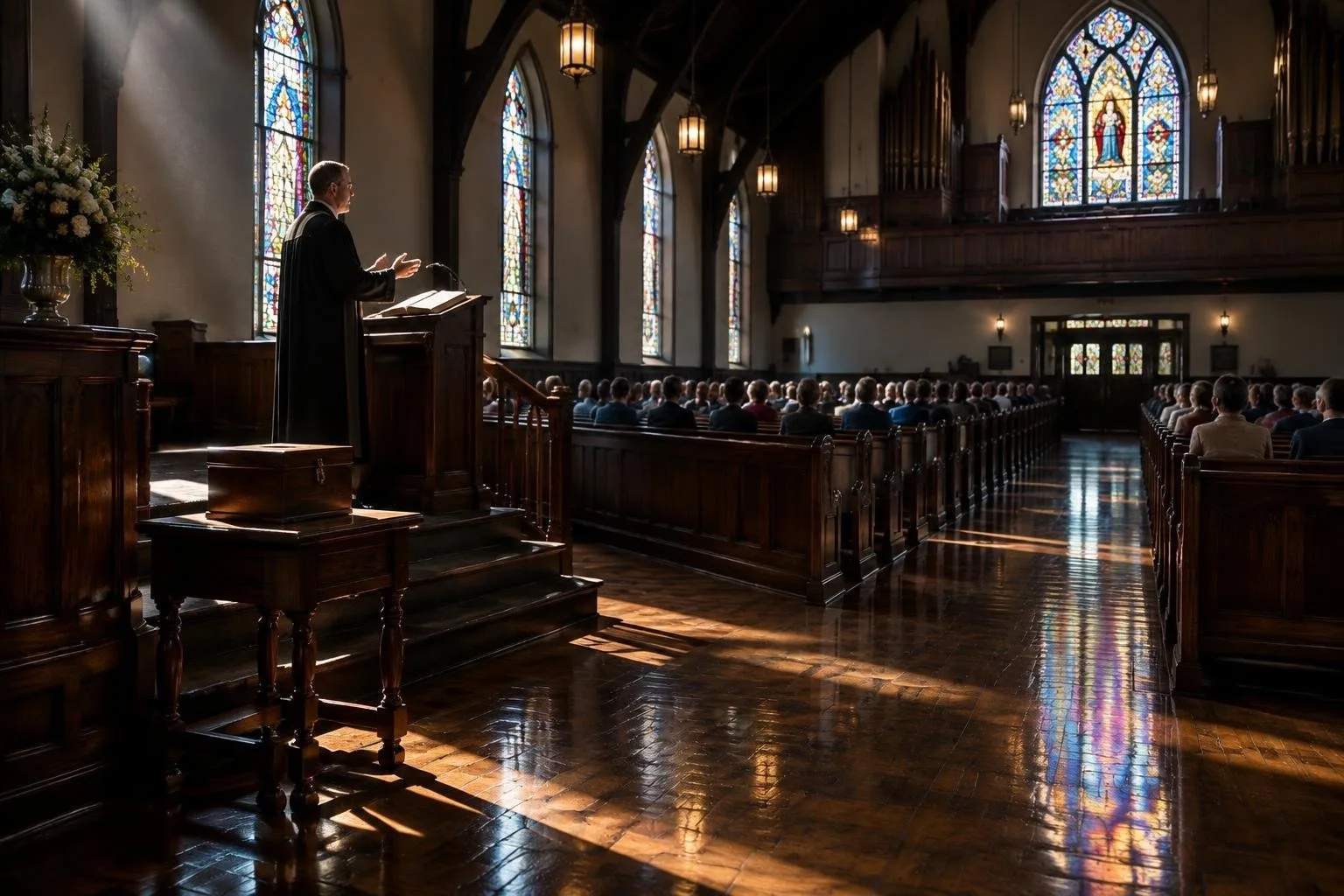
Since I stepped into the role of pastor at Second Baptist, the term community has echoed through sermons, newsletters, and small-group meetings. It captures the image of a collection of individuals who gather on Sundays, share a potluck, or join a Bible study. Yet a word alone cannot convey the depth of belonging we experience when we truly live side by side, pray for one another, and celebrate each other’s milestones.
When those everyday interactions deepen, the label community naturally expands into something richer: a family. A family is not a synonym for comfort; it is a framework where love and disagreement coexist, where members are invited to be vulnerable, and where each person feels responsible for the other’s well-being. This shift from a loosely knit group to a tightly interwoven household changes the way we view commitment, support, and sacrifice.
From community to family: what shifts
In a family, responsibilities are shared, celebrations are collective, and hardships are shouldered together. The dynamic is both simple and intricate: members can agree on many things, yet they also have the freedom to disagree respectfully. When conflict arises, a family is willing to dig into the mess, confront the issue, and emerge stronger. At its best, a family strives to do all it can for each member, reflecting the biblical principle that we are to love one another as brothers and sisters.
During our most recent Vision Leadership Team meeting, a member voiced a sentiment that resonated deeply: “This is my family. I want to do what I can for my family.” That brief statement reframed the entire budget discussion, reminding us that financial stewardship is an act of familial love, not merely a line-item exercise.
Why the family needs extra help now
Today, the pressure of rising costs touches every household. Grocery prices, utility bills, insurance premiums, and everyday expenses have all climbed, stretching personal budgets thin. Those same economic forces ripple through the life of Second Baptist, influencing everything from facility upkeep to program funding. The budget is therefore more than a spreadsheet; it is a mirror of our collective priorities and the depth of our generosity.
Our ministries—children’s education, youth outreach, community service, and worship preparation—depend on the resources we allocate. Each dollar represents a promise to continue welcoming newcomers, caring for the hurting, and reaching beyond our walls. If the numbers on the ledger do not reflect the love we profess, the very fabric of our family begins to fray.
Understanding that not everyone has the same financial capacity, I ask each of you to prayerfully consider what sacrificial generosity might look like in your season. For some, a modest increase in regular giving may be the appropriate step. For others, a one-time contribution or a pledge of time and talent could embody the same spirit of self-less support. The goal is not to meet an arbitrary target but to honor the work we do together as a family.
Practical ways to embody sacrificial generosity
There are several avenues to express this love in action. First, increasing the percentage of your regular tithes aligns your weekly rhythm with the current needs of the church. Second, a special offering earmarked for building repairs or youth programs allows you to target a specific passion. Third, volunteering your professional skills—whether in accounting, counseling, or event planning—offers a non-monetary yet invaluable contribution. Each option reflects the underlying principle that a family thrives when every member gives according to their ability.
Remember, a family is held together not by equal contributions but by a shared commitment to care for one another. The words spoken in our leadership meeting—”This is my family. I want to do what I can for my family”—should echo in our hearts as we decide how to respond. May your giving be an expression of love, not a burden, and may it enable us to continue the work God has set before Second Baptist.