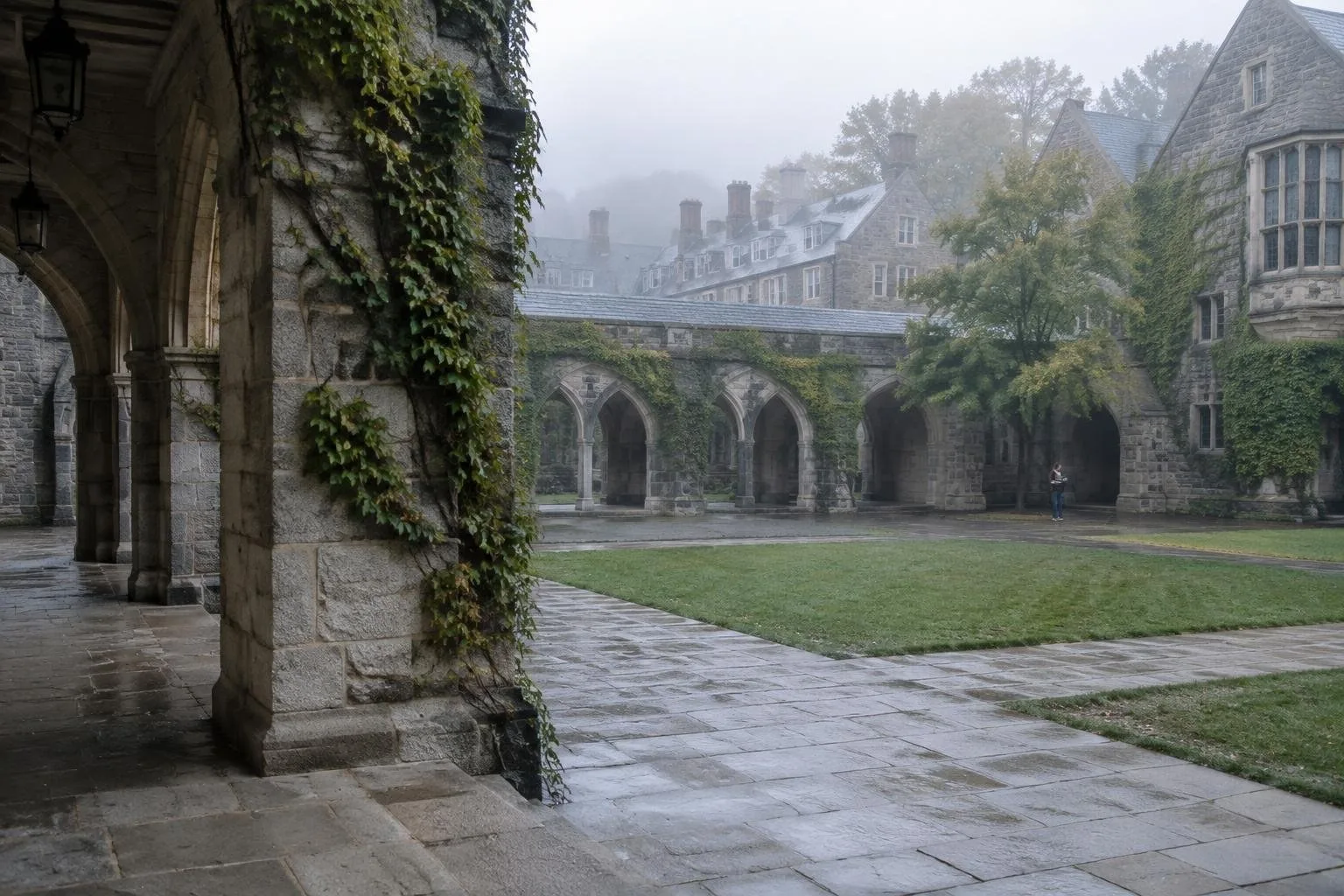
The Dartmouth Review has been part of the college’s media landscape since 1980. Born out of a disagreement with the main campus newspaper over ideological freedom, a professor and a group of historically conservative students launched a new outlet that would focus exclusively on opinion. Over four decades, the Review has evolved from a fringe voice to a vibrant forum where students can argue, laugh, and build lasting connections.
Today, the paper operates as a completely opinion-driven publication. While occasional point-counterpoint pieces appear, writers are encouraged to craft their columns with a witty, often irreverent tone. The Review’s mission is twofold: to give conservative students a platform for campus commentary and to foster a space where vigorous, respectful debate thrives.
From Freshman Mixer to Leadership Ladder
Hailey King, a double-major in Engineering and Government from the Houston outskirts, arrived on campus unsure of where she fit politically. She attended the first “Freshman Mixer”—a casual meet-and-greet with snacks and introductory conversations. During that evening, a senior member asked her which philosophers resonated most, prompting a thirty-minute debate on French Enlightenment thought. That willingness to disagree without hostility hooked her onto the Review’s culture.
King’s trajectory illustrates the organization’s internal promotion system. She began as a contributor in her first fall term, moved to Associate Editor by winter, and earned a Senior Editor title midway through her sophomore year—an honor reserved for highly active members. After a summer assisting the Business team, she was interviewed by the alumni board and subsequently elected president, a role she will hold through the upcoming winter term. The Review’s annual “changeover” allows members to ascend to positions such as President or Editor-in-Chief, reinforcing a merit-based progression.
A Campus Hub Beyond the Newsroom
Unlike many short-lived clubs, the Review doubles as a social nucleus for like-minded students. The office stays open late, echoing with debates that stretch into the early hours. Regular movie nights, board games, and the revived faculty speaker series—featuring appetizers and two-hour conversations with professors—add a communal layer that extends past editorial meetings.
The alumni network amplifies this sense of belonging. Former reviewers frequently reach out, offering mentorship and career guidance. King recounts a recent encounter with Representative Brandon Gill, who reacted with visible excitement upon hearing the Review’s name, underscoring the enduring pride alumni feel for the organization.
Behind the Scenes: Publishing, Writing, and Controversy
Publishing follows a roughly bi-weekly rhythm within a ten-week term, aiming for issues on weeks 1, 3, 5, and 7, plus a special finals edition. The editorial team convenes in large meetings to map upcoming campus events; writers claim or are assigned topics that match their interests and strengths. As an Associate Editor, King notes the process involves meticulous grammar checks, fact-verification, and collaborative layout decisions, culminating in a mass copy-editing sprint before print.
The Business side, now overseen by the President, handles finances, alumni outreach, donor relations, website maintenance, and social media strategy. When tackling politically sensitive subjects, newer writers are advised to first compile a factual chronicle—who said what, when, where—then identify moments ripe for humor or critique. King illustrates this with a piece on a debate between former Secretaries of State John Kerry and Mike Pompeo, where a simple staging mishap became a comedic focal point.
Among the many articles she has penned, a profile of Jack Stinson—owner of Stinson’s Village Store—stands out. The piece explored the store’s multigenerational history, including the impact of the legal drinking-age shift from 18 to 21, and revealed how Stinson adapted his business through changing town dynamics. This human-interest story showcases the Review’s ability to blend opinion with deep local insight.
Overall, the Dartmouth Review has shaped King’s Dartmouth experience by providing a safe arena for testing ideas, refining arguments, and forming friendships that often last beyond graduation. The organization’s blend of rigorous debate, community events, and strong alumni ties makes it a distinctive element of campus life.