
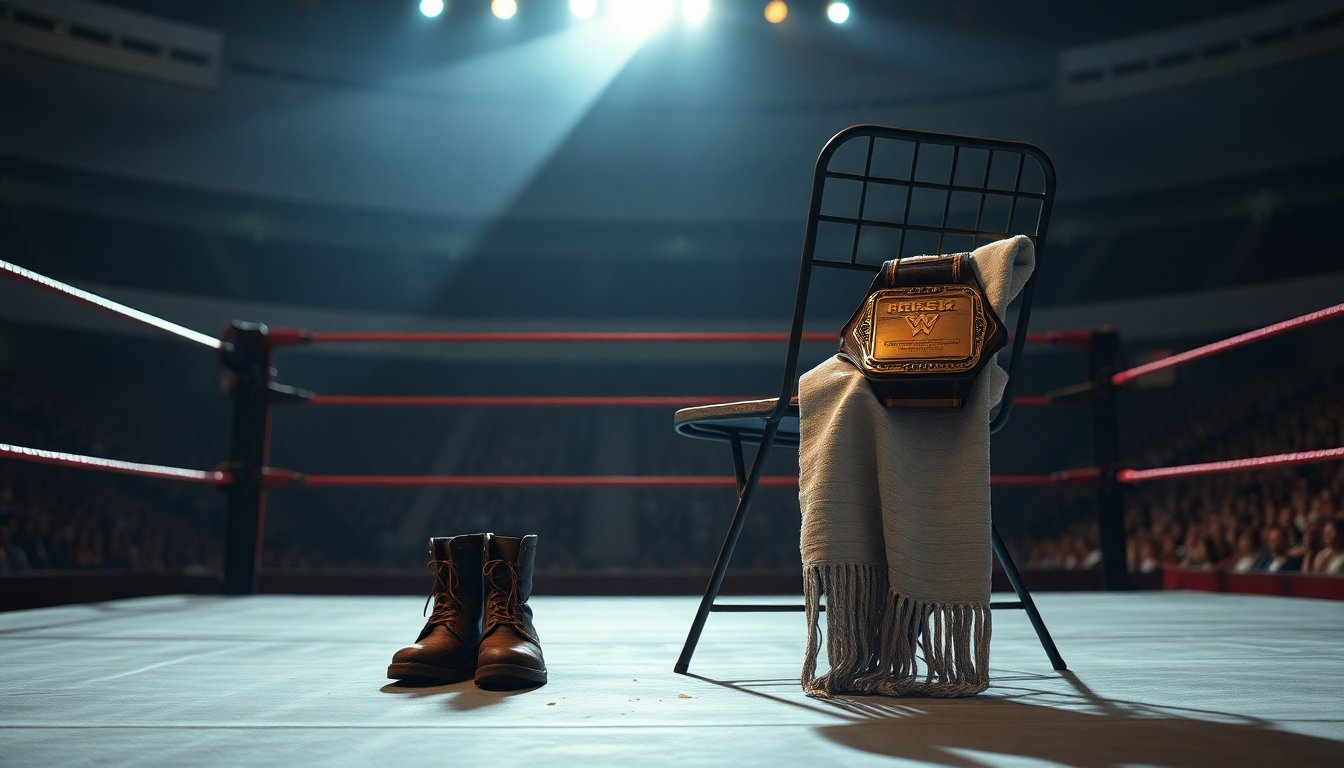
The spectacle of WrestleMania has produced hundreds of memorable bouts: by one count there have been 41 WrestleManias and some 473 matches that range from forgotten filler to all-time classics. This piece re-examines the contests that left the deepest marks on the industry — not as a strict ranking but as a curated tour of matches that altered careers, shifted company fortunes, or simply changed how wrestling is performed. Across these stories you will find recurring motifs: the power of a crowd, the drama of a double turn, and the importance of a finish that tells a larger tale.
What follows groups key bouts by the lessons they taught the business: matches that rewired character arcs, those that changed in-ring style, and those that made WrestleMania a cultural moment. I keep the examples faithful to widely reported events and the way fans remember them, preserving exact years where they were central to the story. Expect close reads of a handful of contests that moved the needle — some because of athletic daring, others because of their raw theatricality.
Matches that redefined character and momentum
Few performances altered a promotion’s trajectory as clearly as the bloody submission encounter between Bret Hart and Steve Austin in 1997. That bout is widely cited as a turning point in the late-90s battle between WWF and WCW: Austin’s violent, defiant intensity transformed him from a heat-generating heel into an unstoppable babyface, while Hart’s moral rigidity morphed into a resentful heel. The image of Austin, bloodied and trapped in the Sharpshooter, became a defining visual, demonstrating how a single match can flip allegiances and catalyze a company’s comeback.
Another classic example of crowd-dictated reality came when two megastars adjusted to the arena’s energy and effectively swapped roles on the fly. In that encounter, the headline performers read the audience and leaned into the reaction, producing a near double-turn that changed the night’s emotional center. This type of organic shift shows how a match’s theatrical arc can emerge not only from scripts but from in-the-moment chemistry between performers and fans.
Matches that accelerated the craft
The pattern of modern fast-paced wrestling owes a debt to a match between two elite athletes in 1987. Their encounter featured a barrage of false finishes and a relentless escalation of high-risk maneuvers, providing a template for the breathless style that dominates today’s main-event scene. That bout’s sustained urgency demonstrated how pacing, synchronized with crowd reaction, can turn a standard title contest into a pressurized drama in which every near-fall raises the stakes.
When grit trumped polish
In contrast, a bloody feud blowoff that felt like a regional arena fight instead of a polished stadium showcase proved that grit has its own place at WrestleMania. One match from the early 2000s looked and moved like a territory-era brawl: visible lacerations, targeted assaults on an open wound, and outside interference that read like old-school storytelling. The mismatch between WrestleMania’s grandeur and that ugly physicality is precisely why the bout resonated — it felt real in a setting often dominated by spectacle.
Moments that became cultural touchstones
Certain WrestleMania matches operate less as technical masterpieces and more as cultural touchstones: celebrity crossovers that broadened the event’s mainstream appeal, historic firsts that rewrote inclusion narratives, and cinematic epics that stretched the format. A celebrity bout pitting a globally known boxer against a towering pro wrestler turned into a David-versus-Goliath spectacle where the boxer’s bravado and willingness to take punishment elevated the contest beyond a mere cameo. Meanwhile, a later match featuring two Black women as the main-event exemplified how WrestleMania can carry meaningful milestones as well as athletic fireworks.
The rise of cinematic and run-in-heavy storytelling also reached a peak when a long-running chase for a world title concluded on WrestleMania’s stage. That finish combined backstage sagas, surprise returns, and filmic staging to deliver a morality play — a triumphant babyface vanquishing an authoritarian champion. When executed well, these matches extend the wrestling narrative tools and show how WrestleMania can serve as both a ring and a screen.
Legacy and technique
Other individual matches redefined techniques that became industry standards: the first major ladder match on a big stage established a blueprint for high-altitude bumps and creative use of props; a brother-versus-brother encounter crystallized personal-feud psychology into in-ring strategy; and a retirement bout combined meticulous in-ring scripting with a melodramatic send-off that still ranks among the most emotional post-match reunions. Together, these contests illustrate how stylistic innovations and storytelling choices at WrestleMania spread through the business.
WrestleMania’s history is a chain of such moments — matches that rewired how characters are built, how matches are constructed, and how the spectacle reaches beyond loyal fans to mainstream attention. Whether the defining element is a sudden crowd-fueled role reversal, a pioneering in-ring format, or an unforgettable visual that becomes part of pop culture, the most influential WrestleMania bouts continue to be referenced, copied and celebrated. They are, in short, the matches that taught the business new ways to surprise a packed stadium and an audience of millions.


